So, what’s the plan?

Hello, again! Long time, no see.

In these endless days of monotonous chaos, I have been having wild dreams. Carrying the screen around an movie theater at Donald Trump’s autobiographical blockbuster. Being scolded for breaking a runner’s leg. Usually, I’m doing ordinary things with people I haven’t seen in years.

And then, I wake up a painter in northern Minnesota, 8.5 months into my volunteer year in Israel. Rose and I sluggishly start our work. With my hands at work, I slip back into the same dreamscape, but with the reality of this pandemic pulling the strings. I reflect on the question whose urgency multiplied when I abruptly left Israel for home; that question that many claim to never answer. I consider the options expected of an economics student, of a white male with a steady home to fall back to in tough times, and I can’t make up my mind.

And so I apply to jobs. And I whitewash walls. And I dream…

Of the oddballs of the world, including the ones that resemble my oddball brother-in-law, but mostly the ones I hold near and dear…
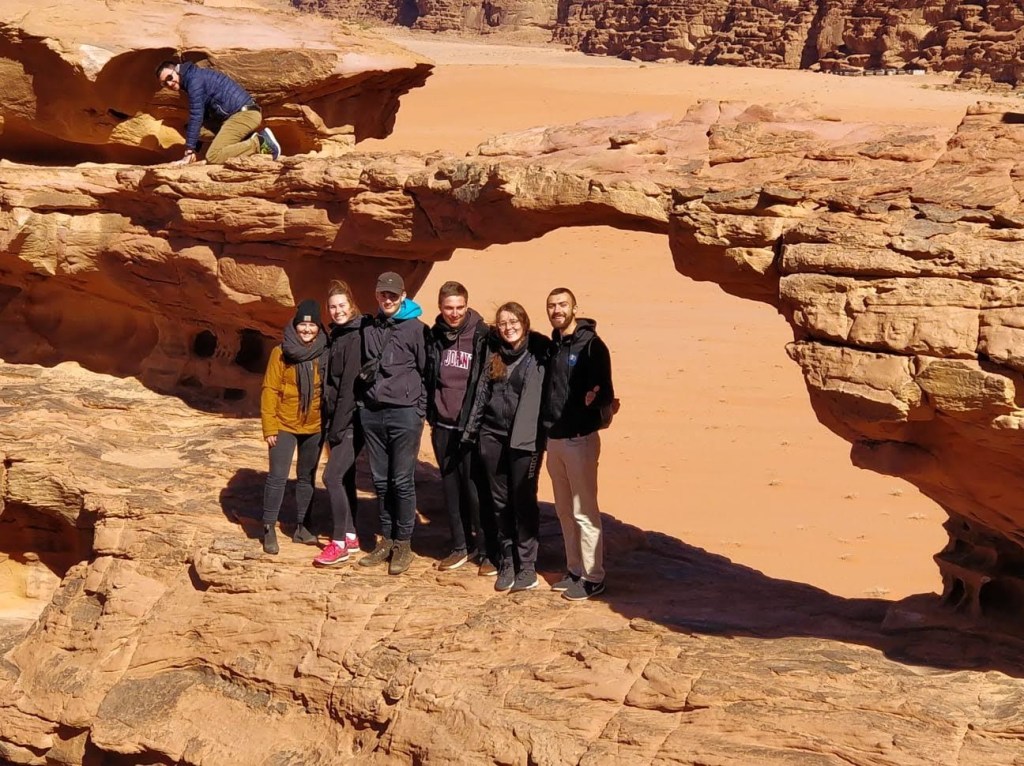
Of the places my heart has pulled me and my feet have taken me on a whim.
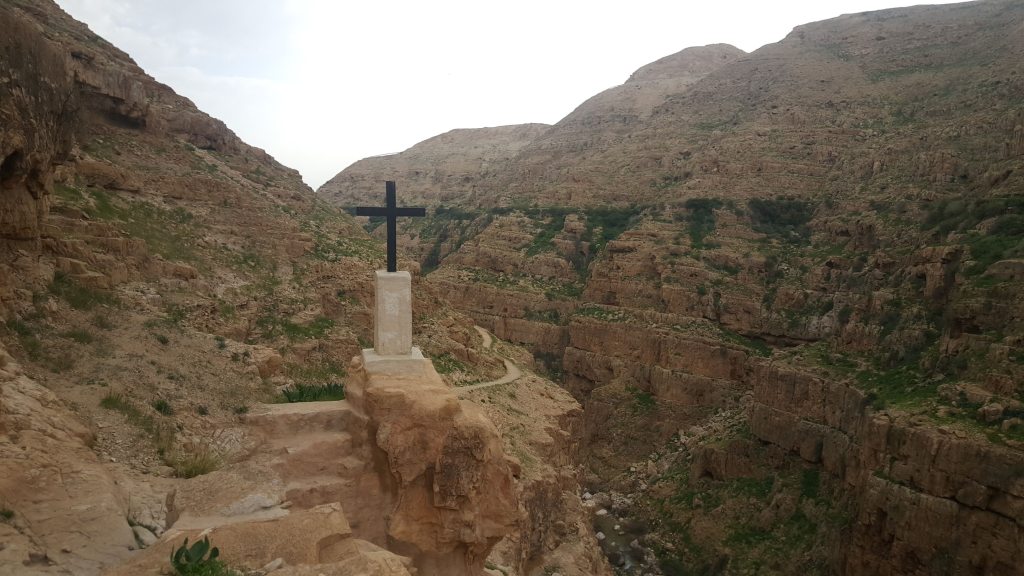
One of many crosses on the path to Saint George Monastery in the Judean Desert.

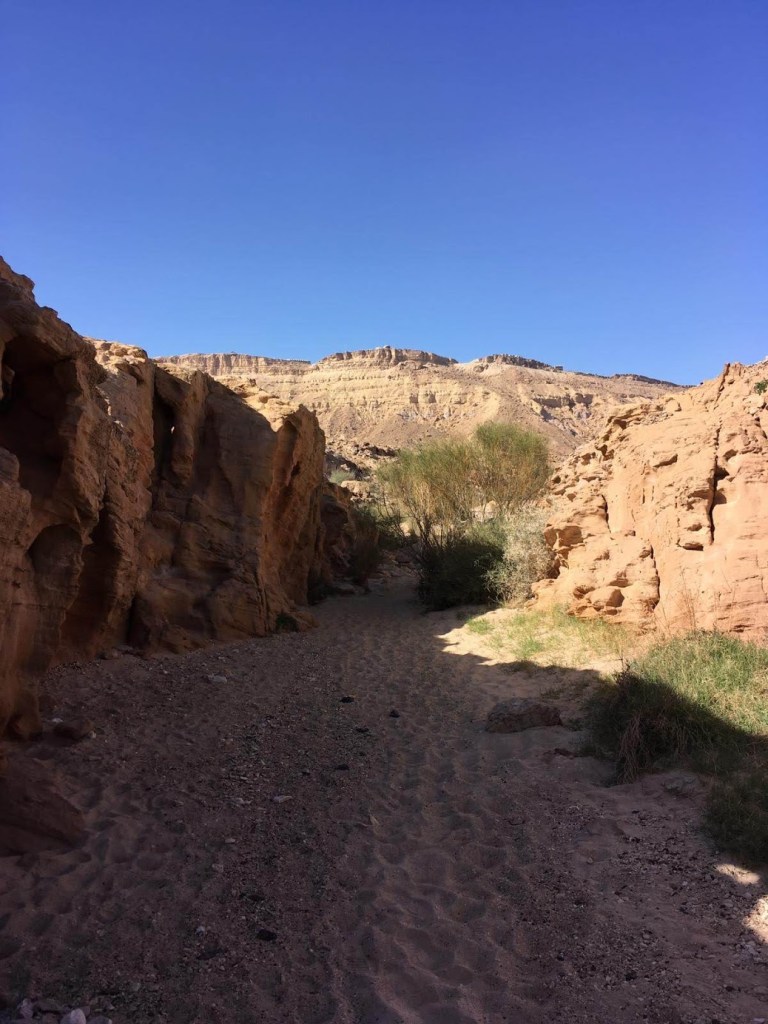
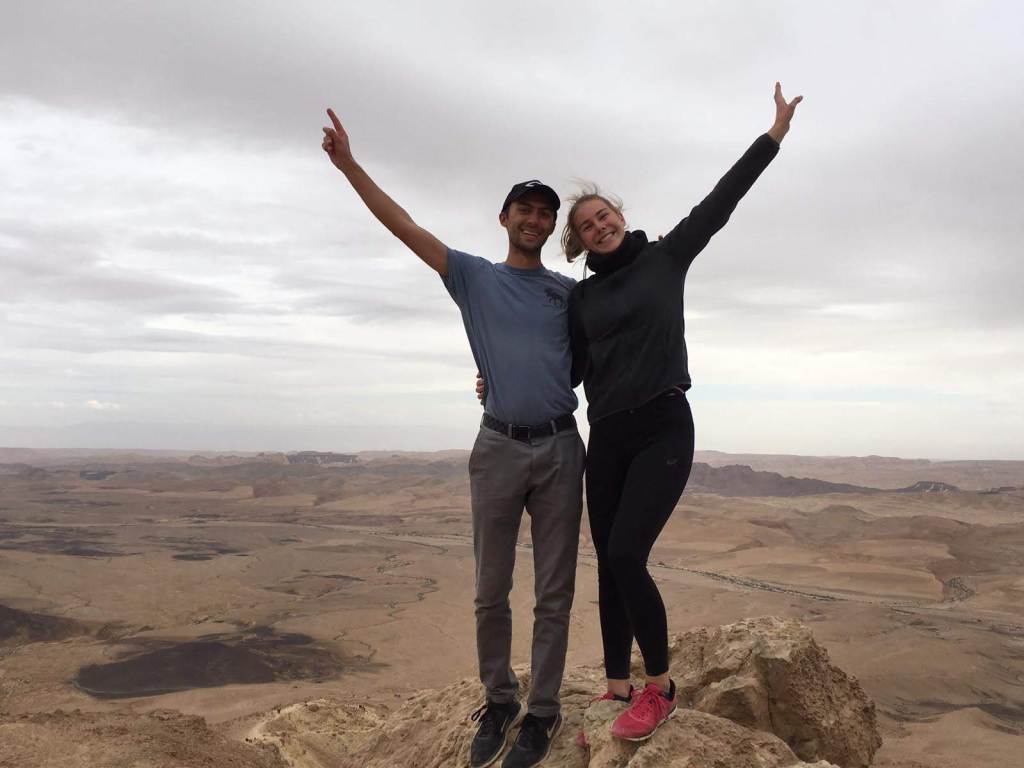
Because that human tendency that was behind everything we did at that monastery was the need to have a plan. Every meal, every work period, and every morning run was scheduled ahead of time. I get it, but generally I find this lifestyle colorless. I made it an unspoken goal of mine to instill an ounce of spontaneity and adventure in my German companions (although the monks were a lost cause, probably to their benefit), and to an extent, it worked. On a warm December morning, my Kölsch adventure buddy Sofie and I made our descent into the the Mitzpe Ramon crater in the Negev Desert, fully supplied but for a set route.
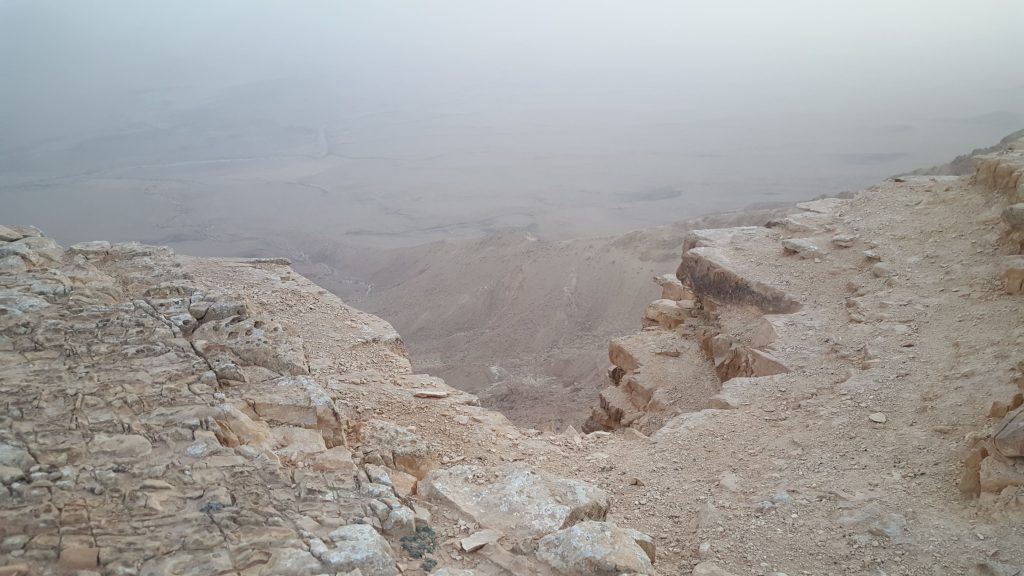
After Sofie filled our water bottles from the toilet (some things are gained in translation), we let the trail show us what it had to offer.
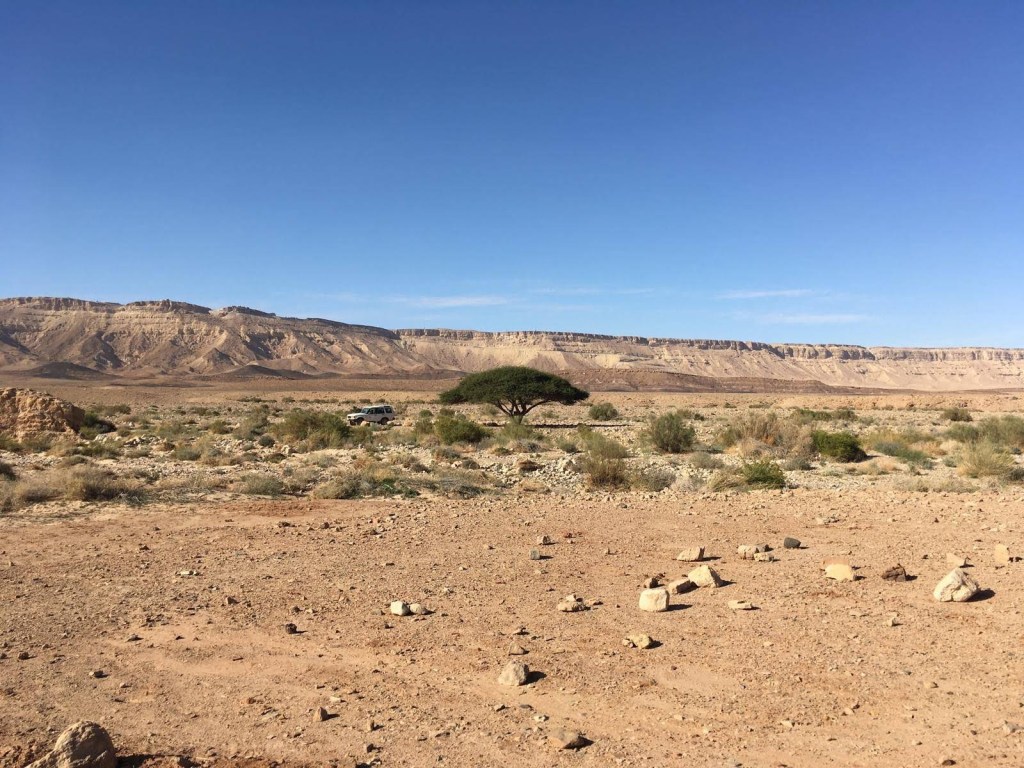
Acacia tree, with tourists taking the easy route.
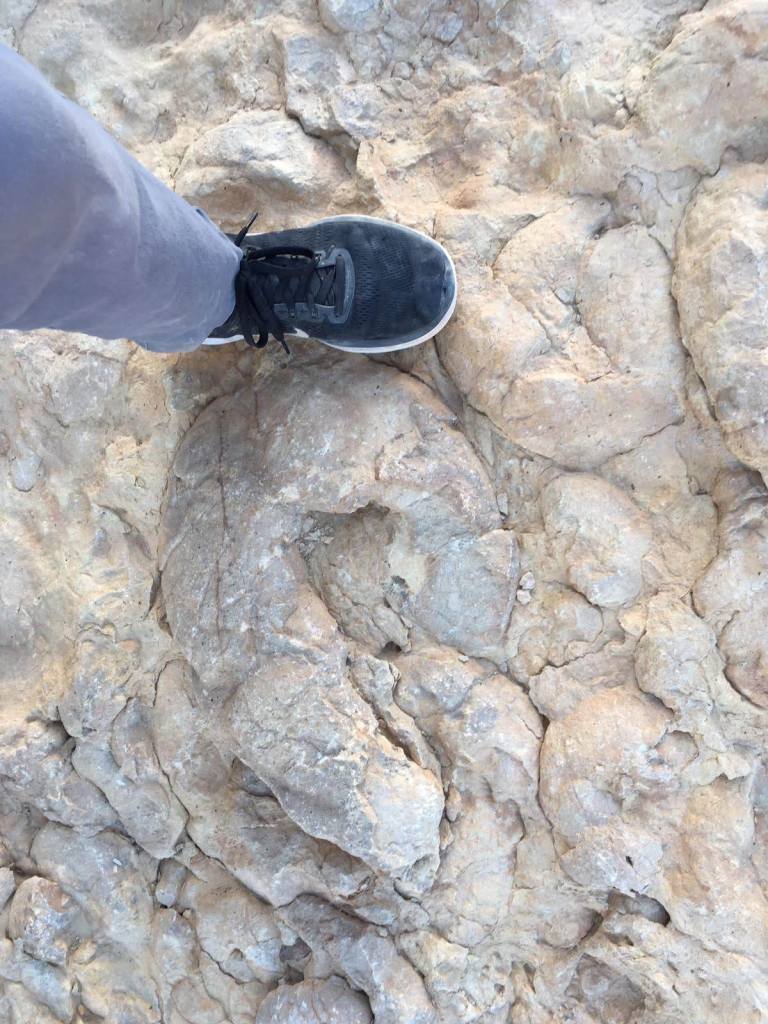
A wall full of ammonite fossils!
A bit of welcome shade.
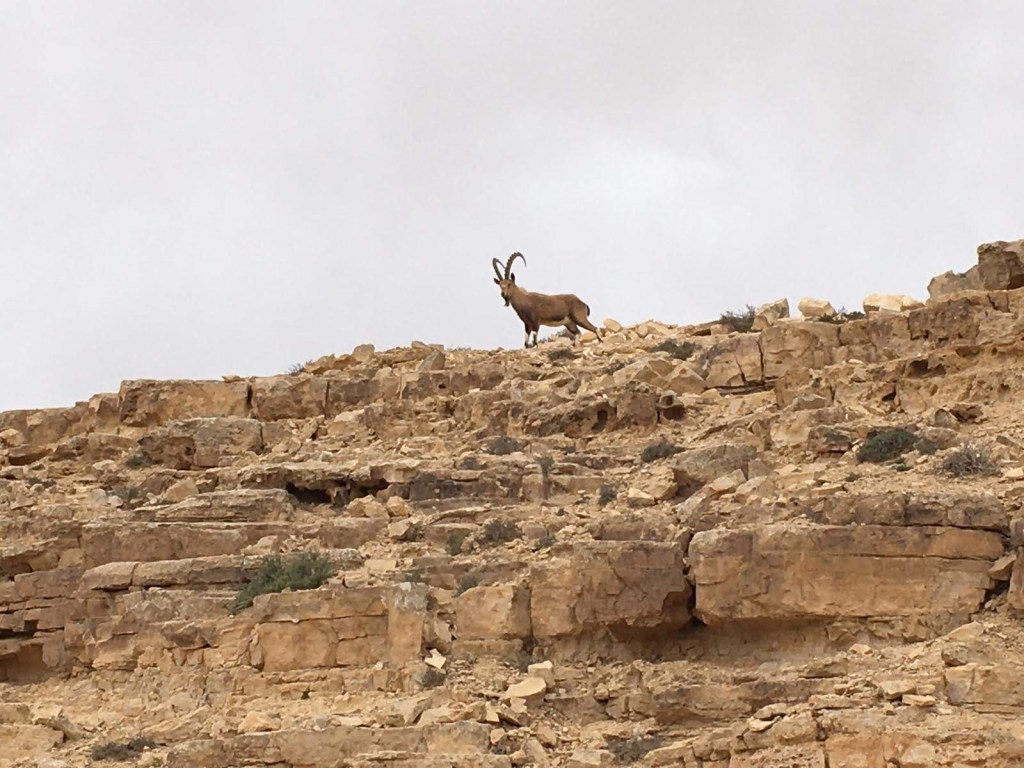
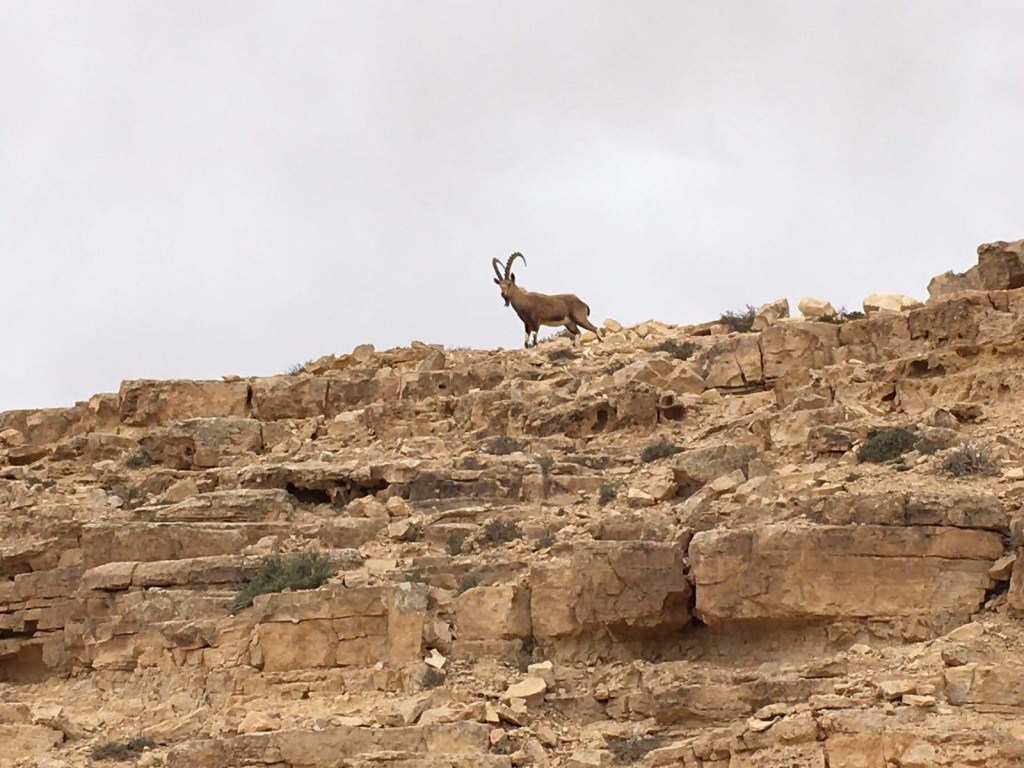
The majestic ibex!
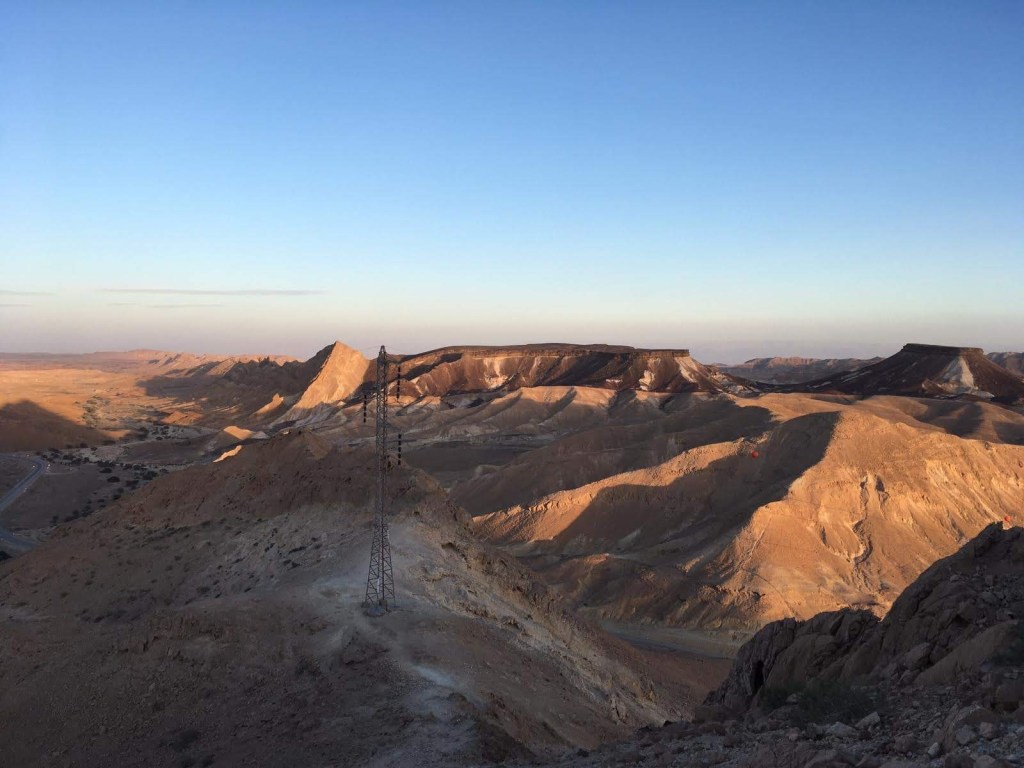
A glimpse of our trail at day’s end, with the fabled Ice Cream Mountains in the back.
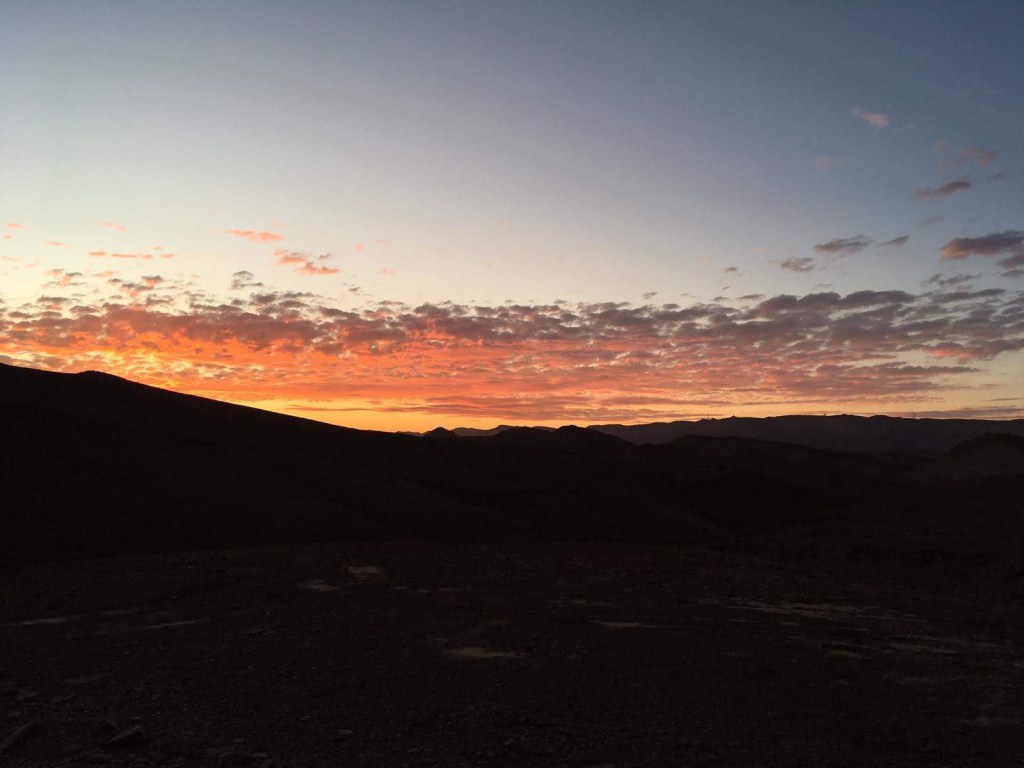
The sun was already down before found the campsite, but it’s more fun that way!
Victoriously we hiked back up the ridge the following morning, just as it began to rain!

This weekend adventure still crosses my mind all the time, even after taking a 10-day trip to Jordan and having life turned upside down by COVID-19, because it was much more than a hike. It was a profound exploration into isolation and companionship, which have become increasingly relevant to all of us.

What struck me about the isolation of the desert was how we compensated for the things we normally depend on. Cell phones and computers connect us over long distances, but also pull us away from each other when we’re together. With no data connection, I was left with my sole companion, with no excuses to look at my phone. In every wilderness trip I have taken, this aspect has borne great fruit. On top of this, our mutual wonder over foreign landscapes and absolute silence put us at ease and allow us to get in touch with our true selves. After visiting the desert in Israel, it’s clear to me why Jesus chose to fast and pray there.

Furthermore, the dangers of the desert force its explorers to develop new routines right away. Dehydration sets in faster than usual. We need to share each other’s burdens and think on the same wavelength in order to stay healthy and stay alive. We become more alert and receptive to our surroundings and to one another.

This has been in the back of my mind since everything changed. How do we make up for what we’ve lost? Remarkably, my realization is that I need what I had been fighting all along back in Israel. Many days have slipped by without any sunshine on my skin or human interaction, other than Rose. What my BVC partner Tim and I initially made fun of in our German friends–their extensive list-making–is exactly what is keeping my mind in order and reminding me to reach out to others. What I thought was restrictive at the monastery was actually keeping me alive and healthy, and now it is disorganization that is stifling the simple joys of life. It’s funny how a stereotype can get turned on its head.
Frohe Weihnachten

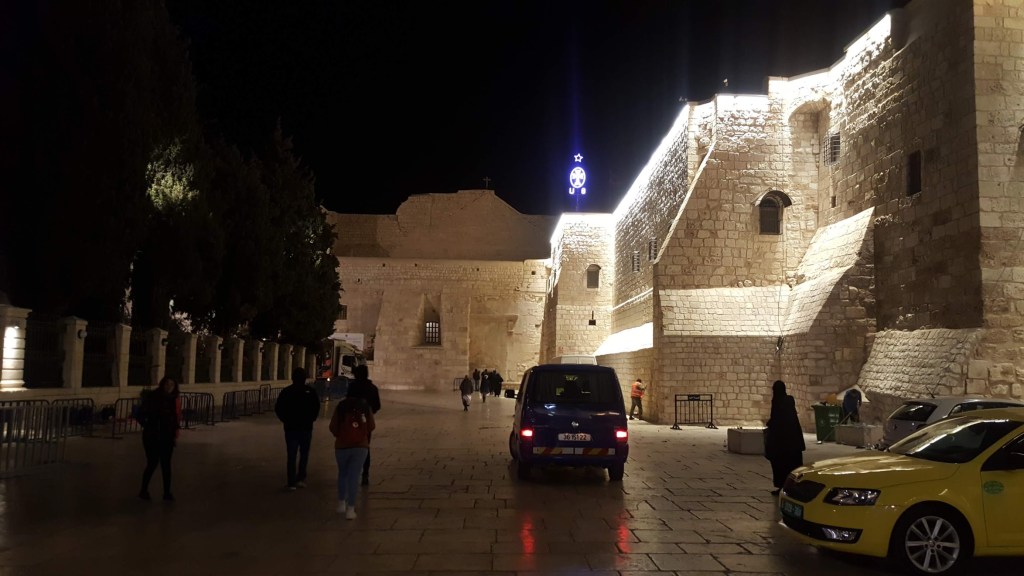
Approaching the Church of the Nativity, Bethlehem.

It didn’t rain until I had already been here for over two months. Since the first storm came through in mid-October, the sandy ground has become overgrown with beautiful green grass and the dry canals in the mango and olive plantations turned into rushing streams. Before heading out to the desert for a leisurely mid-December camping trip, I was warned multiple times to watch out for flash floods, to which I politely nodded and inwardly scoffed. However, the rain has gotten more heavy and consistent since then. Now we get around 4 or 5 days a week with rain, which the Israeli people see as a reason to celebrate rather than sulk. Rain brings life to a country where the level of the Sea of Galilee has lowered so much in recent years that ancient ruins from around the time of Jesus have been revealed to the glee of hungry archaeologists.

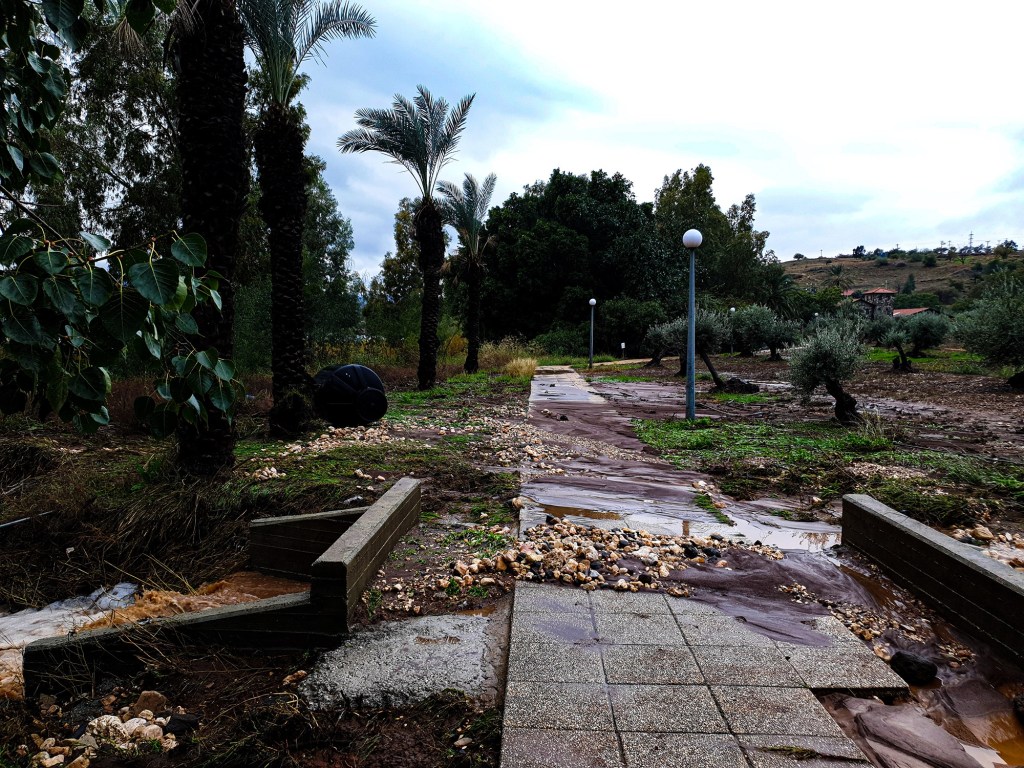
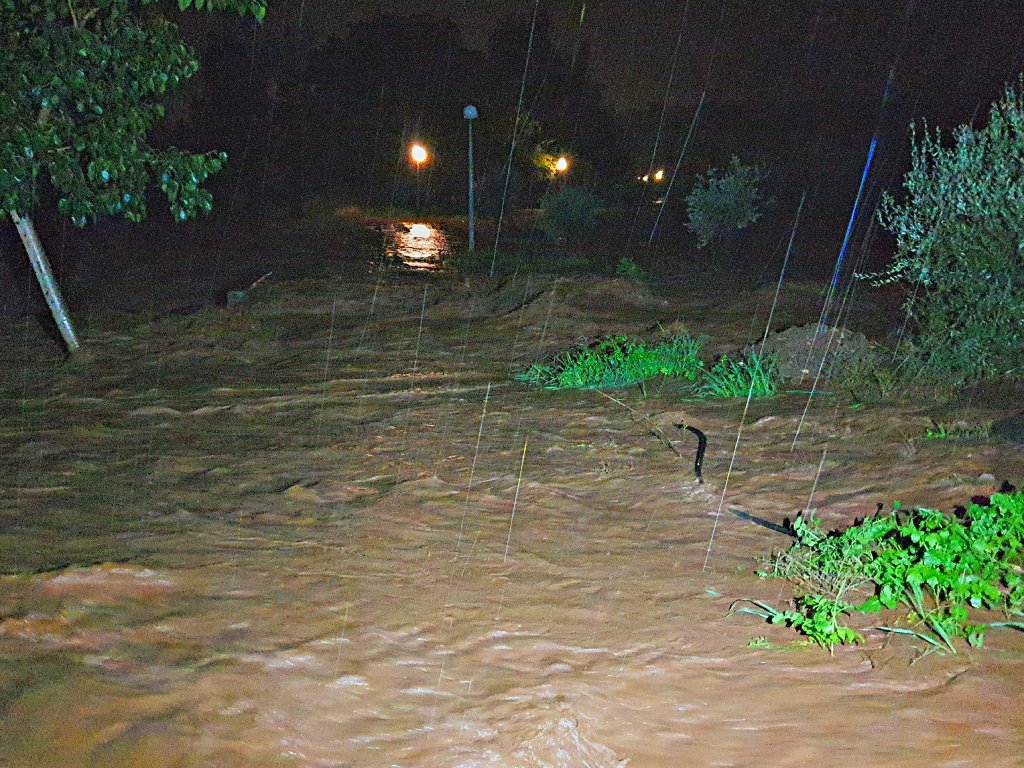
Nonetheless, sometimes enough is enough. An especially rainy evening on Wednesday, January 8, quickly turned the wadis (streambeds that are dry for most of the year) from newly flowing streams into raging rivers.

The pathway towards the convent of the Filipino sisters on the night of the flood.
The same pathway the next morning.

I have always marveled at the snowdrifts and fallen trees that follow the extreme weather in Minnesota, so this first encounter with a flood was a special sort of introduction to the strangeness of a snowless winter, as well as a welcome distraction from the news about the rising tensions between the U.S. and nearby Iran.

Despite the changing world around us, life goes on here in Tabgha, with the majority of recent change coming from within. The biggest development since my last blog post is that ongoing renovations in the Dormition Abbey in Jerusalem has required several of the monks to move into the Tabgha monastery, bringing our monk population from 3 to 8. This has allowed us to connect a little more with the typically withdrawn monks. The majority of our interactions come either in passing or on Wednesdays and Sundays, when we have scheduled social time during or after dinner. Luckily, the Christmas season has given us more opportunities to get to know the newly arrived monks as well as some of the German Christmas traditions. A few highlights were the cookies, songs, and playing games and watching Joyeux Noel with the monks.

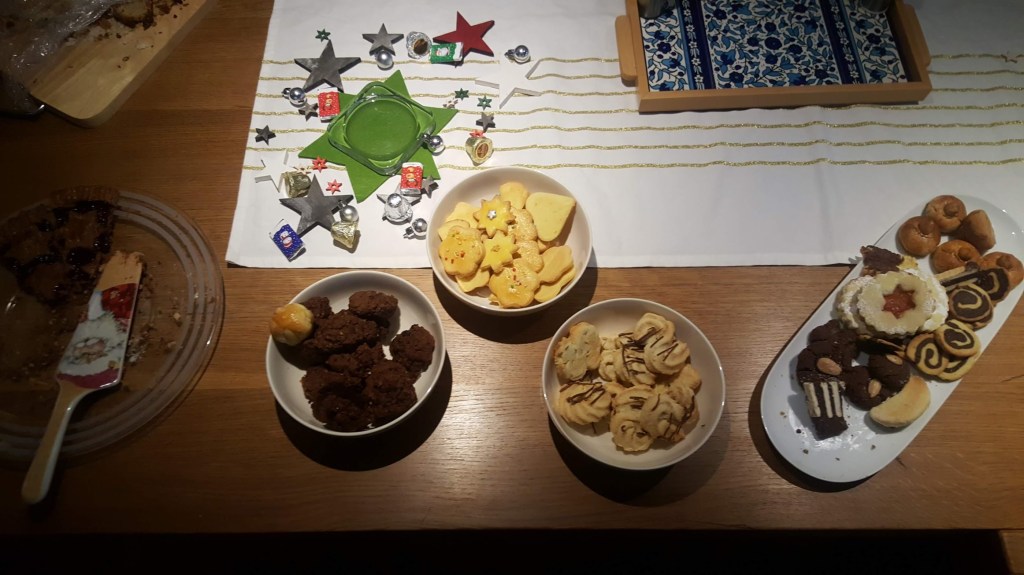
German Christmas cookies were definitely a highlight. The subtle hints of cinnamon and vanilla and the controlled use of chocolate was a nice departure from overly sugary American cookies.

We took part in a unique annual Christmas fundraiser and pilgrimage run by the Dormition Abbey in Jerusalem. More than 100,000 names were submitted to be written on a scroll, which was carried in prayer on an overnight walk from Jerusalem, past the checkpoint into the West Bank, and finally Bethlehem. Before the pilgrimage, many Israeli Jews attended the late night services, which were a mix of German, Hebrew, and English. Our cluster of about 170 people arrived at the Church of the Nativity around 4:30 on Christmas morning. After a prayer service that I may have slept through and a half hour of waiting in the cold for the bus, we made it back to Jerusalem as the sun came up.

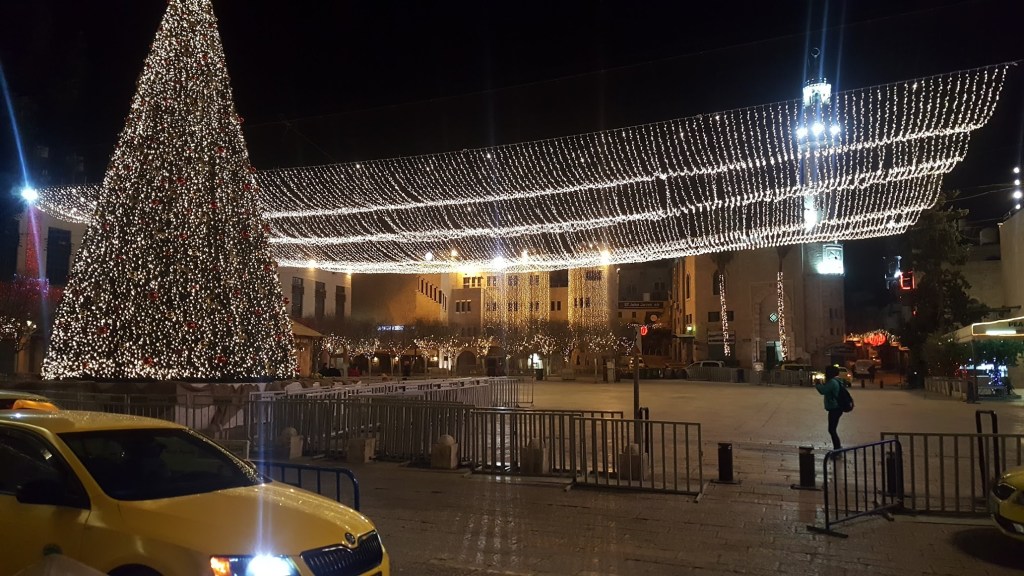
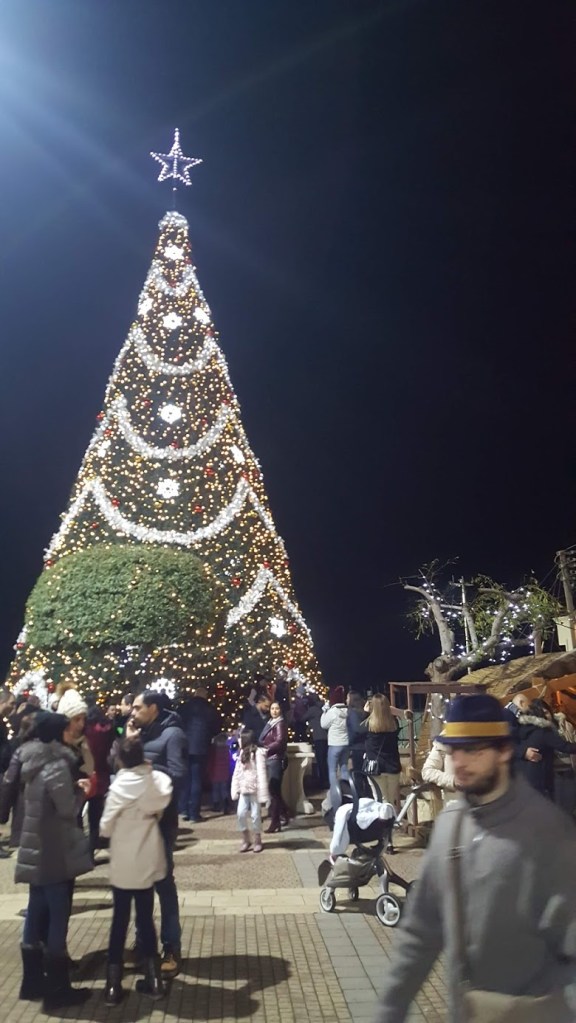
The plaza in front of the Church of the Nativity. The glowing lights in the back right belong to the mosque’s tower from which the call to prayer resounds several times a day.

It’s hard to explain how I felt during the pilgrimage. I walked much of the way with a friend from Boston that I had met only a few days before, and our conversation about his past, the current world, and my future sticks in my memory more than the trademark powerful parts of such an experience. Maybe I will appreciate the value of this trip in the future, but for now I am happy to have done it.

Another big part of the German Christmas that my German friends constantly hyped up was the Christmas markets, so naturally we took a short trip to visit the Arab variation in Fassuta, per recommendation by a friend in our monastery’s souvenir shop. Unfortunately, we could only stay there for an hour due to the bus schedule, but we did have enough time to get some Glühwein (mulled wine) and to speculate as to why some of the stands were playing hip hop music at a Christmas market.

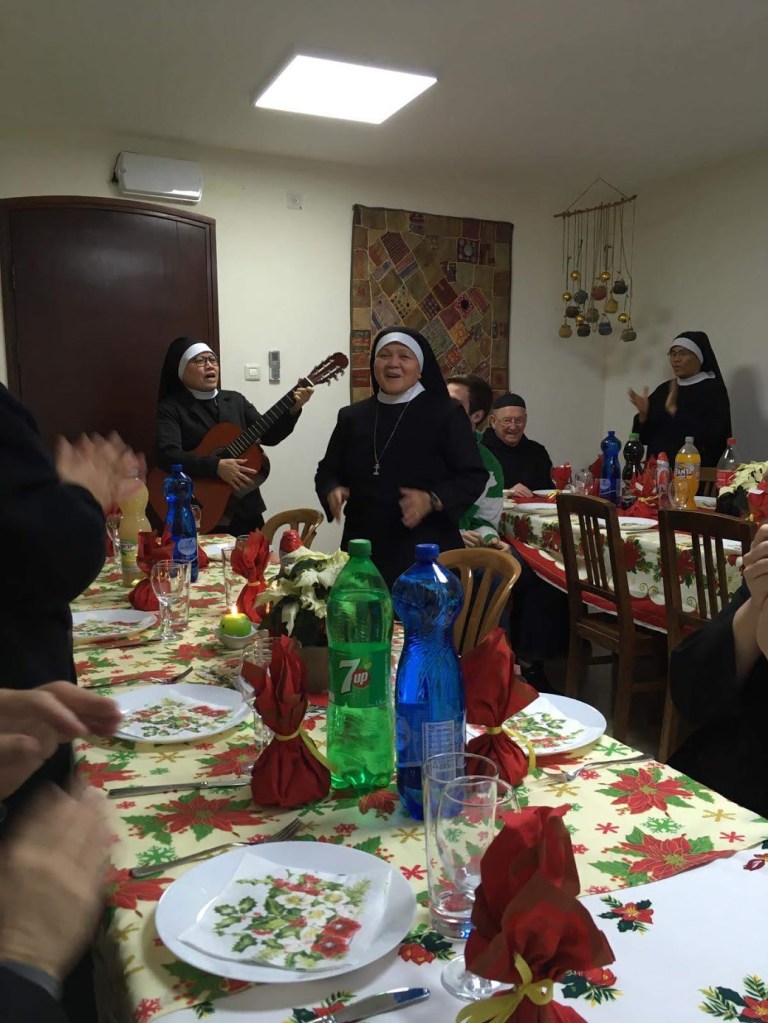
We also celebrated Christmas with our lovely neighbors down the way. The five Filipino sisters know how to bring a party to our nonchalant community with amazing food, games, and music.

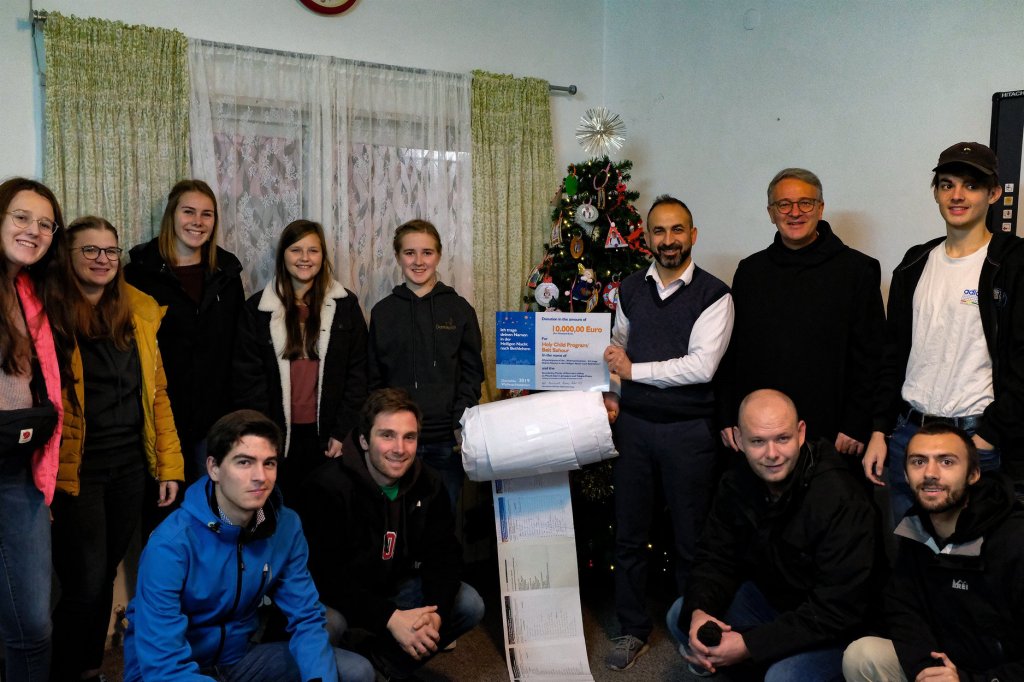
A few days after Christmas, we travelled back to Bethlehem to visit some of the recipients of the Christmas donation. Several of these organizations support people with disabilities in the Bethlehem area, and so they are regular visitors of ours. It’s been a few months since we’ve had a group stay with us, so seeing them again was a great reminder of the main purpose of our work in Tabgha.

Besides all the time spent celebrating Christmas, we did find some time to work, too. The Beit Noah meeting space that we operate has been closed for the season since November, so we have been able to take things a little more schwei schwei than usual. On the days when I wasn’t scrubbing down every square inch of the guest rooms and kitchens, I got the opportunity to see into the life of a monk when our brilliant fix-it-all/build-it-all man Nizar conscripted me to help renovate the monastery cells in preparation of the incoming monks. I found the interior to be elegant yet simple, chilly yet still comfortable enough to live a life of contemplation. It is difficult to understand the life of a monk only from stories, so it was fascinating to see for myself.

On Tuesday, the six of us volunteers will take a 9-day trip to Jordan to spend a few days in the ancient city of Petra. The prospect of seeing Petra was a big draw for me to come to Israel, and I am still very excited, but I’m finding that some of my excitement has been redistributed to the incoming visit of my family and the remaining 6-7 months of my time here. It’s good here, so I’m not going to play favorites to any moment until they’re all memories.

Thanks for reading, to those of you who made it this far! Happy holidays and God bless.

On the next post, I’ll talk about Jordan and a couple other things I’ve done, like hanging out in the desert with the awesome ibex shown above.

Make Hummus, Not Walls

The past couple weeks have proved to be quite the holiday season for the Jewish calendar. It started with the Jewish New Year celebration of Rosh Hashanah, continued with the day of atonement Yom Kippur, and finished with the weeklong agricultural thanksgiving celebration of Sukkot.

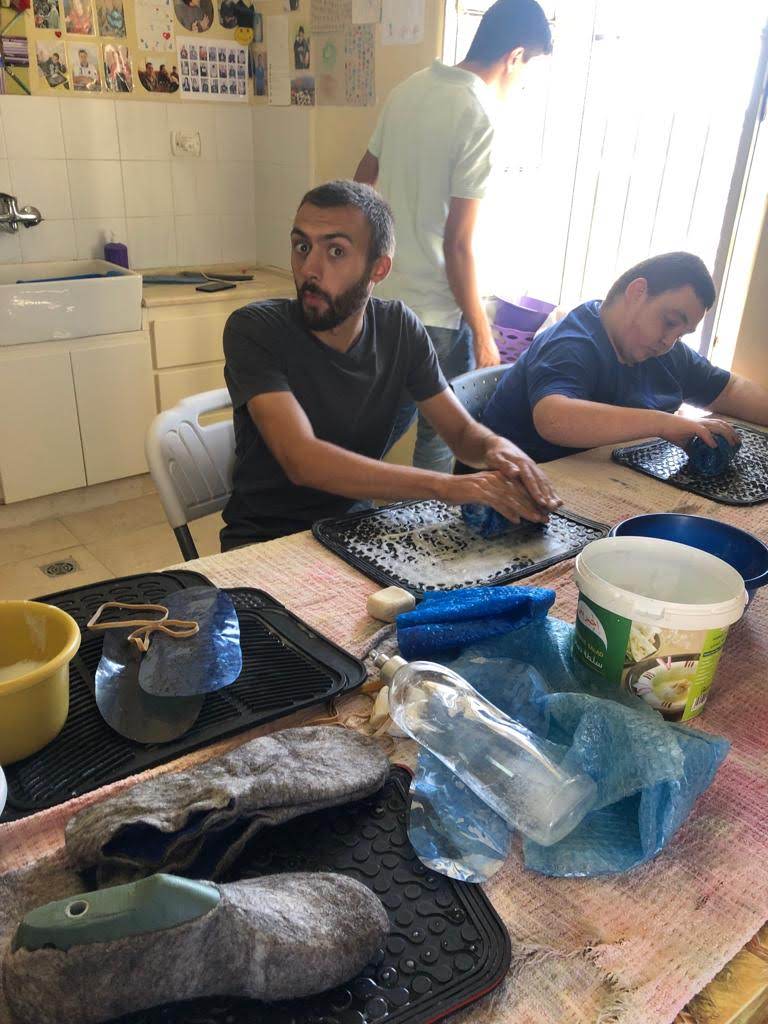
On the weekend of Rosh Hashanah, I took advantage of one of the best parts of volunteering in Tabgha. The organizations that stay at Beit Noah in Tabgha often invite us to visit their centers as a thank you, so the three of us who had worked with them most closely before made the trip to see them in Bethlehem. They welcomed us with open arms, giving us a tour of their wool-working shop and even inviting us to help them with making slippers and little woolen Nativity sets:

What better time to whip out my best “Blue Steel”?

It was really great to see our friends again, especially the girl who had liked to push me in the pool for not speaking in Arabic. About twenty minutes after my forearms began to cramp, we were called out to the hallway to celebrate the birthday of one of the members. After cake and singing “Happy birthday you you” (they almost got the English right), everyone took a turn telling the birthday boy a personal birthday message. Good vibes.

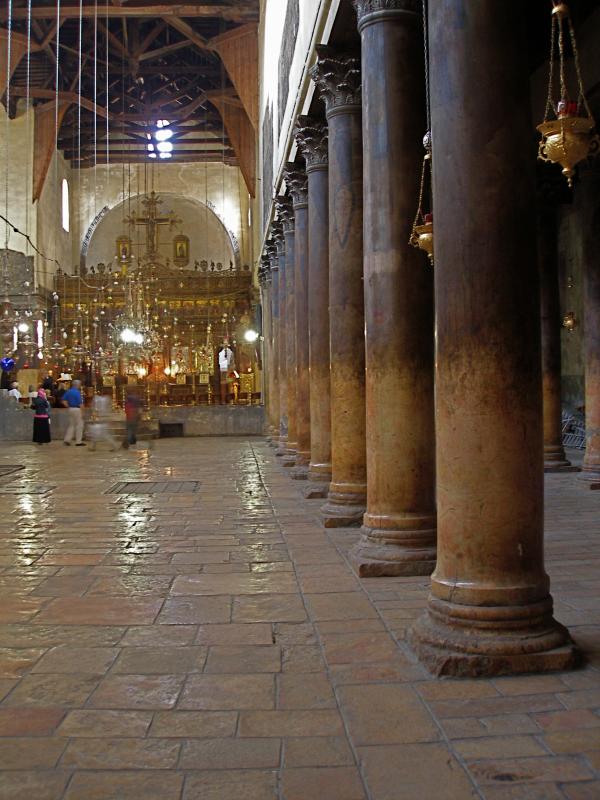
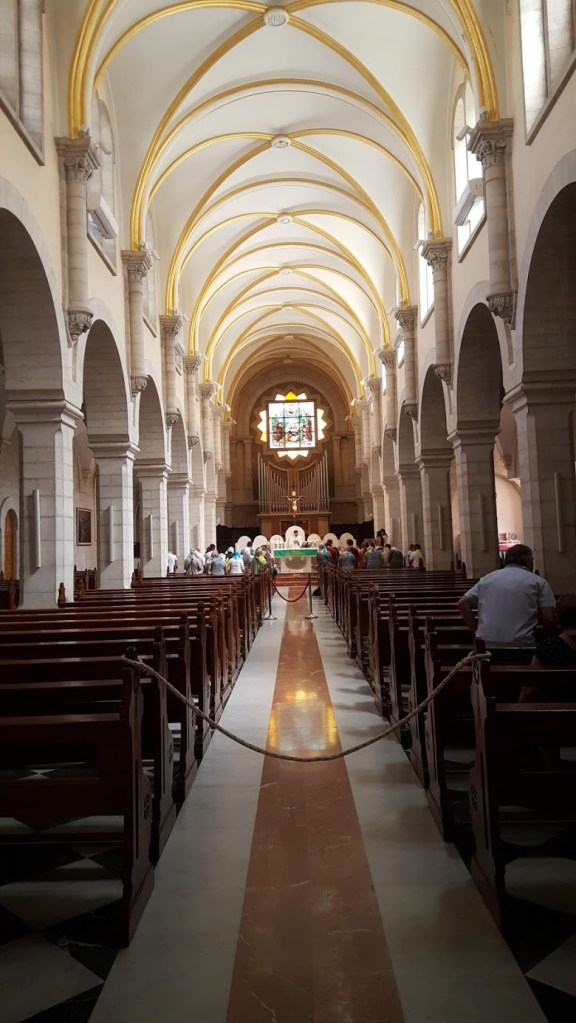
Following our visit with the organization, the son of the owner gave us a tour of the city. We checked out the Church of the Nativity, which built on the site of Jesus’ birth. Calling it a church is not exactly true, since it’s really two churches next door to each other, one Greek Orthodox and one Catholic.

The enormous crowd of tourists made it difficult to appreciate the importance of the site, but we did get to skip the crowds see the grotto under the altar in the Orthodox church after our friend asked the Palestinian guard to let us in the back door. I found it odd that people would wait hours for less than a minute down in a cave that doesn’t resemble a stable at the back of an inn at all, under a church that was built hundreds of years after Jesus’ birth. Still, the church is over a thousand years old with lots of interesting history, and it is a beautiful thing to see so many people gather to celebrate Jesus’ birth.

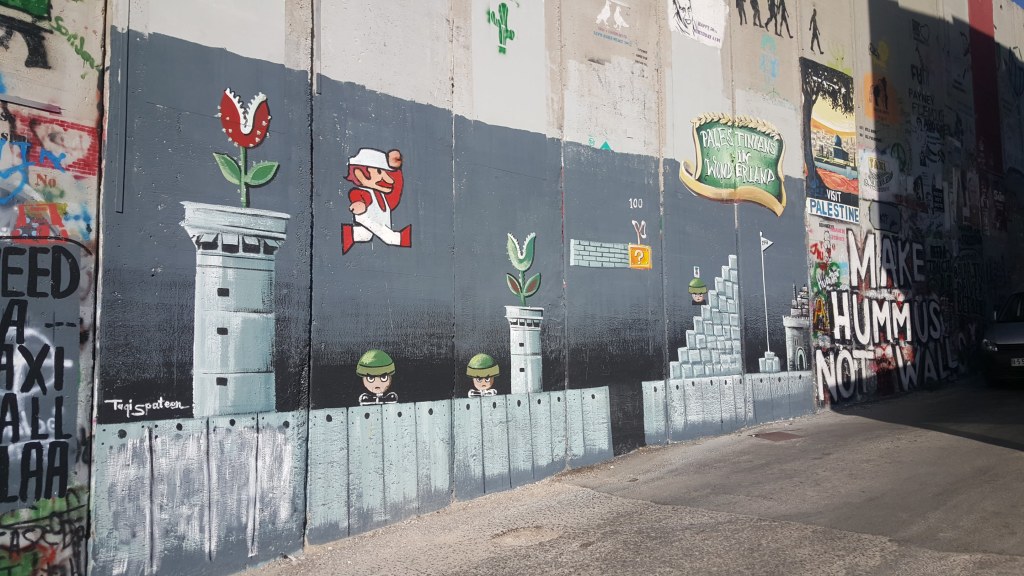
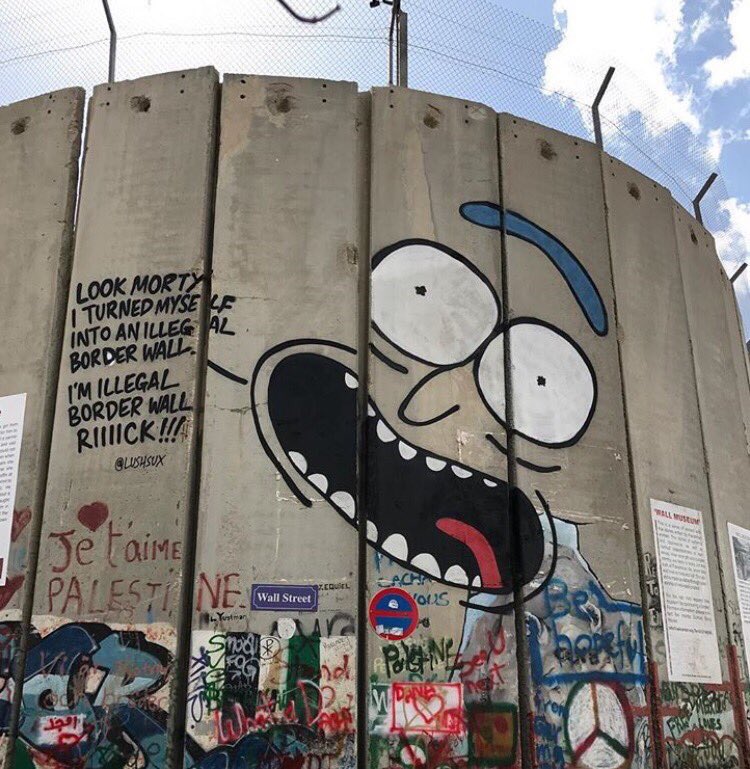
Once we finished at the church, we shifted gears to the present and crossed to the other side of town, where the intimidating cement wall that separates the West Bank from the rest of Israel resides. Coated from top to bottom with politicized pop culture references, small signs dictating stories of the hardships that the Palestinian people live, and even work by Banksy, it was really a sight to see. “Make Hummus, Not Walls” was a memorable tag-line from the wall, as well as references to Mario and Rick and Morty:

The relationship between Israel and the West Bank/Palestine is quite difficult to understand even from inside the country, so it was important to me to pay the site a visit, since I live on the other side of the wall. I tended to hear more of the Israeli side of things back in the U.S., so I hope this is an interesting glimpse into the Palestinian side for all of you.

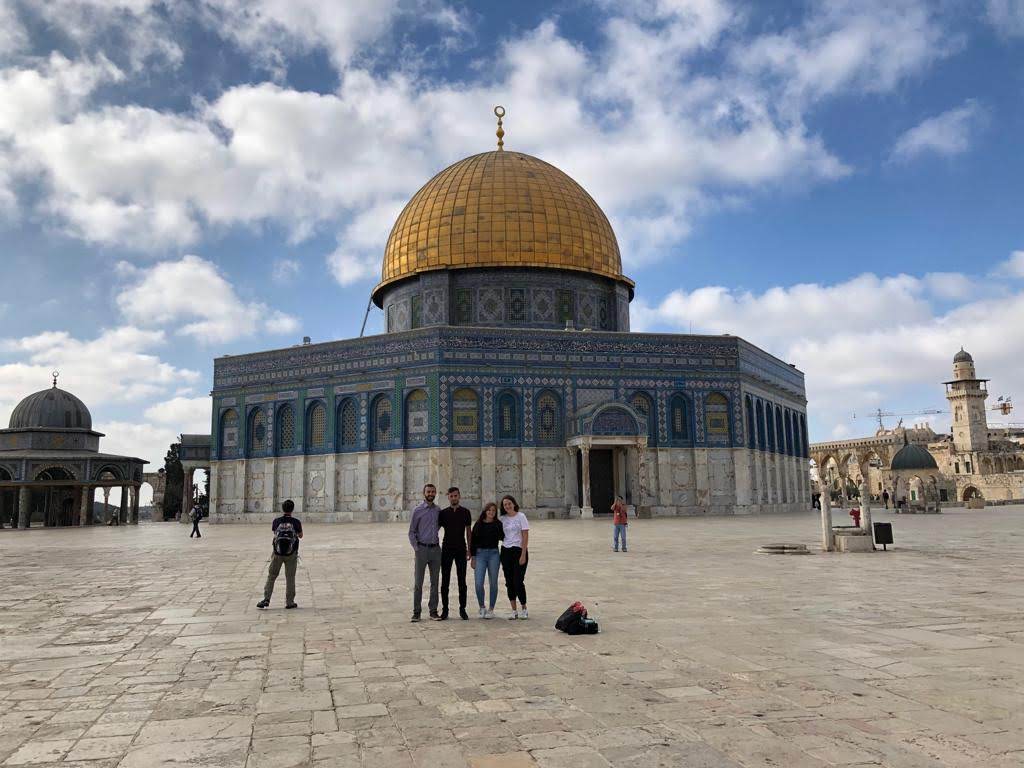
We took a bus to Jerusalem to finish out the weekend with a visit to the Temple Mount and the stunning Dome of the Rock with a friend of ours. Sadly, they didn’t let us enter the mosque, as they could somehow tell that some of us were not Muslim.

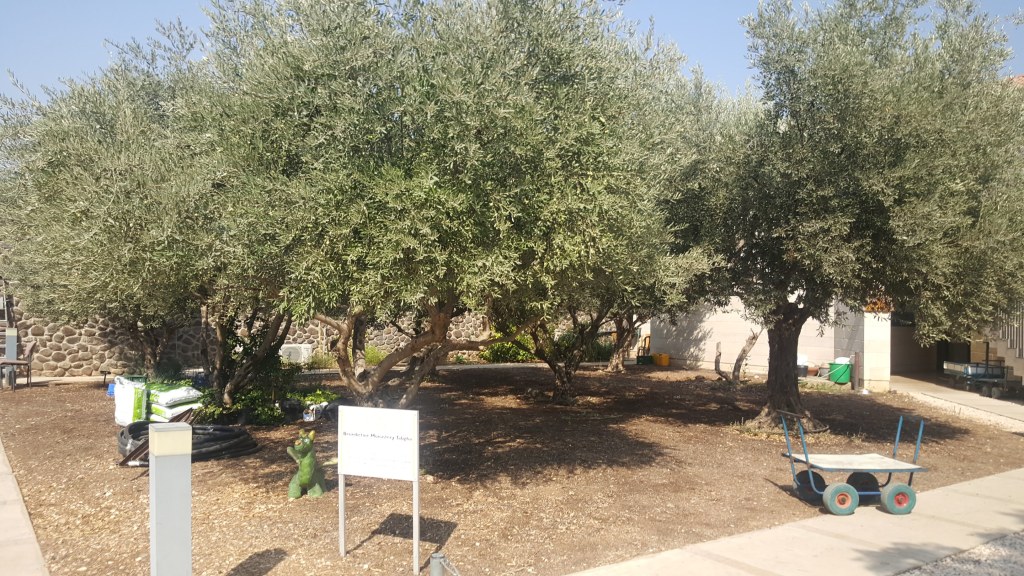
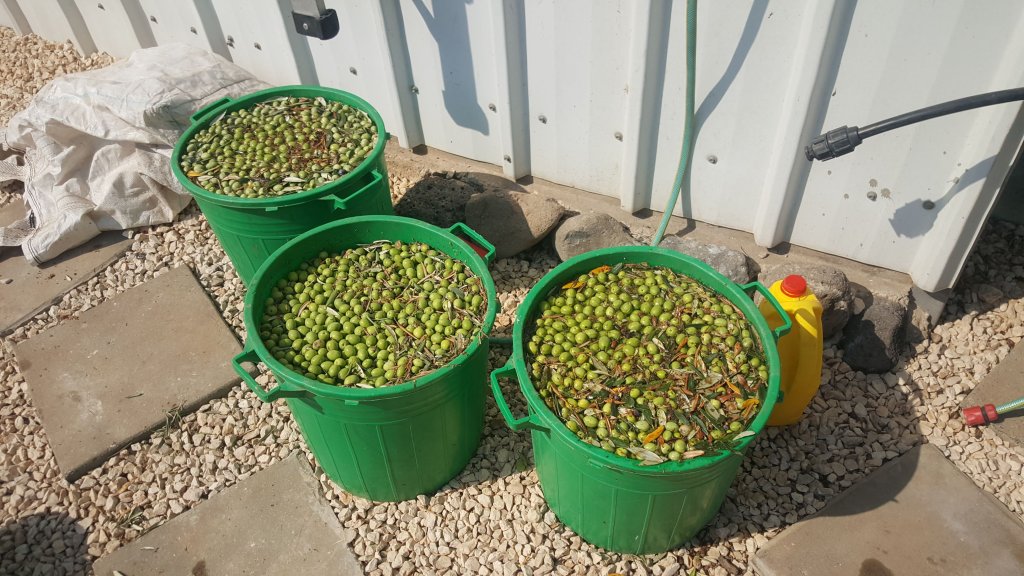
Before I finish this post, here’s a quick update on what’s new at the monastery in Tabgha. A few weeks ago, we spent several days picking olives. It might sound like a peaceful activity, but it was surprisingly violent, as the most effective harvesting method is to whack the living hell out of the tree with a broomstick.

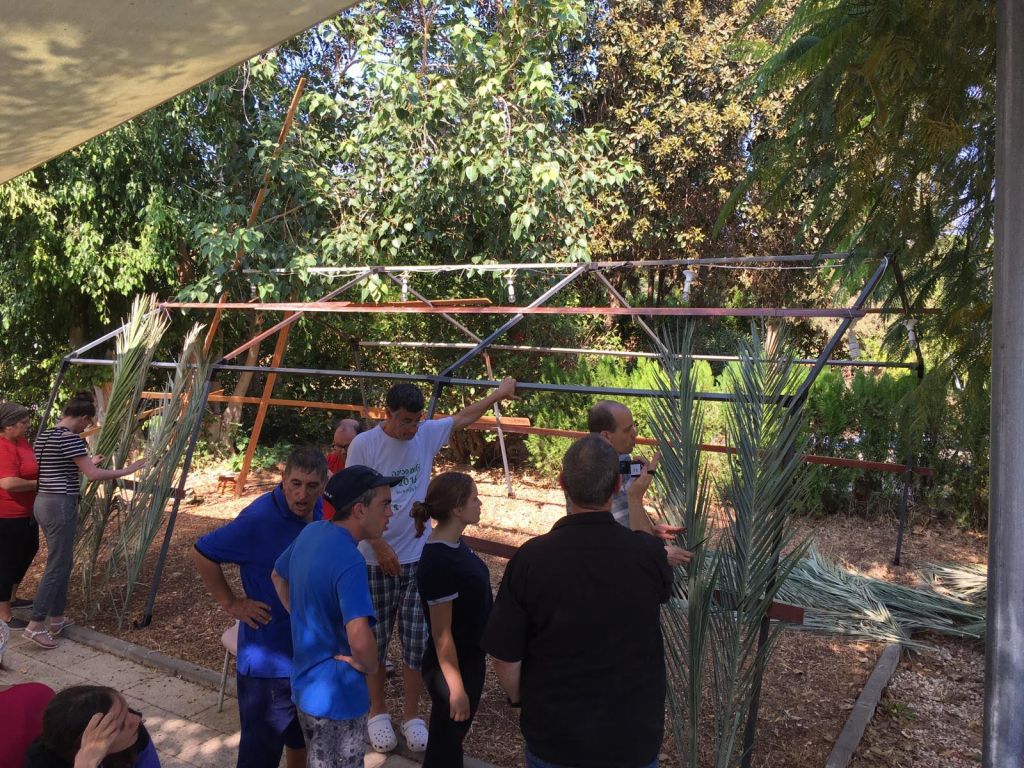
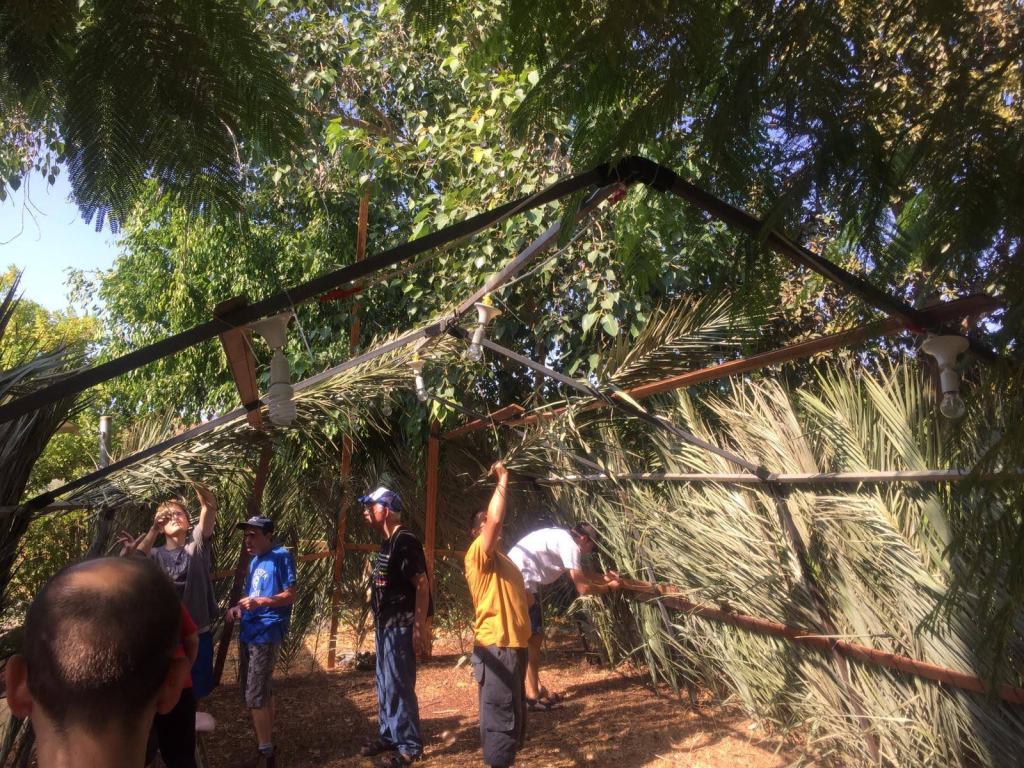
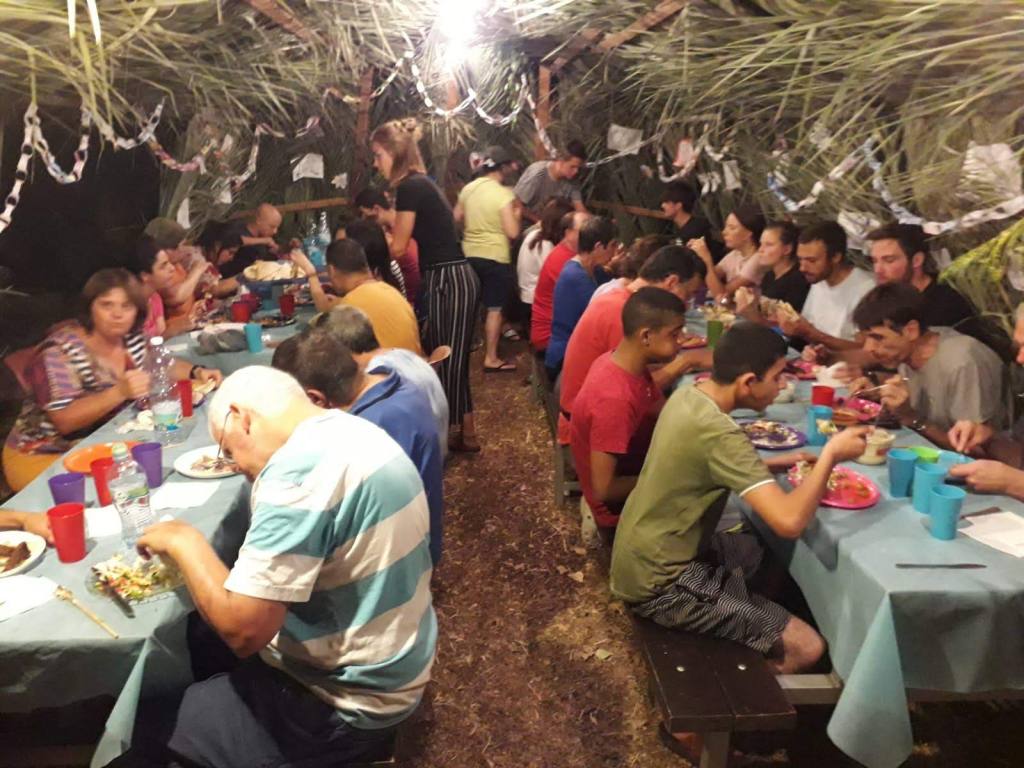
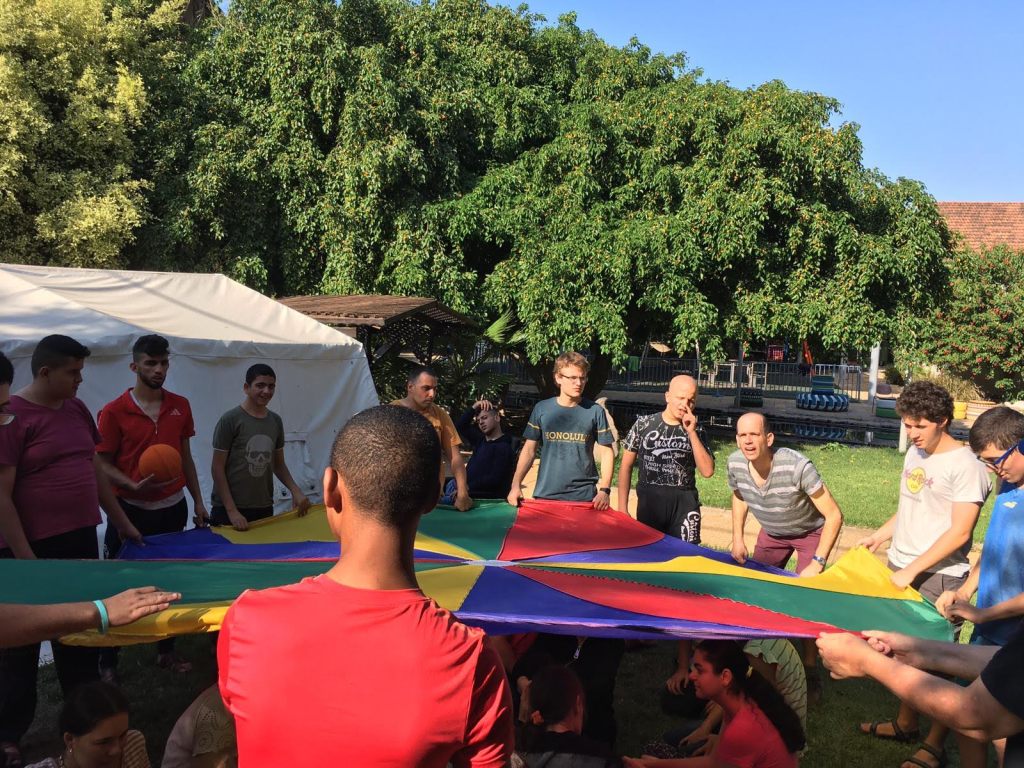
We also spent last week hosting a pair of large groups of disabled people, one from the West Bank, and one from a town on the northwest side of Israel. This meeting of two cultures from within Israel is an awesome step towards dialogue and peace between two sides of the touchy conflict between Jews and Muslims, Hebrew and Arabic. The leaders of the two groups coordinated on meals, activities, and the building of a sukkah out of palm leaves to celebrate the Jewish holiday of Sukkot. It was really something special to observe and facilitate the growth of trust and friendship between the two groups, despite the language barrier and fears that they had had about each other before.

Thanks for reading! I am having a wonderful time here and have already learned a lot about myself, the German language, and especially irrigation systems. I’ll try to post a little more from now on, Mom. 🙂 Take care, and God bless.

Dirty work

Three weeks in, and I’m finally sitting down to write a little bit about my time in Israel.

It’s not that I’ve been terribly busy, but rather I’ve forgotten how to write without a set deadline. Who would have thought that procrastination exists outside of school? Better late than never, I guess. Anyway, with this blog post I want to explain my role here and a few of my thoughts about it, and future posts will share anecdotes and lessons learned while working, as well as stories of my travels around the country and surrounding area. I may not share it on Facebook every time I post, so if you are interested in hearing more, be sure to put in your email at the bottom of the homepage of the blog.

Since I received conflicting reports of what sort of service I would be doing in the BVC, I often changed the story whenever someone questioned me about it. So, let’s set the record straight. I graduated from Saint John’s University (MN) this past May, and moved to Israel on August 7th after a few months of interning at Minnesota Independence College and Community and painting houses. I am living for a year in a German Benedictine monastery in Tabgha, which was built on the site where Jesus fed thousands of his followers with only a few fishes and loaves of bread. This monastery runs a church known as Brotvermehrungskirche (in English, Bread Multiplication Church) and a retreat area called Begegnungsstätte Beit Noah (Meeting Place, House of Noah). German sure flows off the tongue! Unlike many of the BVC sites, ours has a full team of volunteers, consisting of four Germans named Konstantin, Hellen, Johanna, and Sofie, and then Tim Havenaar and myself, both from Saint John’s.

When we aren’t quoting Old Gregg or planning something, the “Tabg(h)ang” (aka Müllmenschen) operates under our sublime boss, Paul, around a strict regimen of physical labor, sweating, and coffee breaks. Large groups of disabled people from several organizations around Israel and the West Bank/Palestine make up the majority of our guests, and the responsibility falls to us to maintain the grounds and facilities and make sure our guests have what they need, along with other miscellaneous tasks like taking out the trash with the tractor (my first time driving manual, oooh) and cleaning out the natural pool with a pressure washer that could blow the skin off your foot if you aren’t careful. We also work in pairs on specialized tasks. Konstantin and I manage the hyper-efficient dripping watering system for the extensive gardens.

Some of you might be thinking, “But Aaron, didn’t you say you were giving tours?” Even after getting braces twice, I guess my smile still isn’t enough to get me that job. No, we don’t give tours of the church to visiting pilgrims and tourists, but instead we get to work in ways much more rewarding and in line with how I perceived a volunteer can be most effective. We do the unpleasant dirty work that helps cultivate a beautiful destination that the disabled people of Israel and Palestine look forward to all year. A disability prevents many of our guests from partaking in the activities that you and I grew up with, so it’s hard not to smile to see their joy when they use Beit Noah’s specially designed playground or when they shoot at us with water pistols as we work. The organizations that bring the people with disabilities provide a great service, so it is a great privilege for us to host them here.

The big groups like to invite us to join them in the pool on hot afternoons and in their festivities in the evenings. It’s hard to say no to the invitations and offers of free food and coffee since they always promise a good time, but I’ve learned the hard way that I should stop to think before accepting two cups of Arabic coffee at 9:30pm on a weeknight. That being said, I would absolutely do it again, because I can always sleep later. There’s no time like the present.

Create your own website, free on WordPress.com.Create your own website.
Start free